
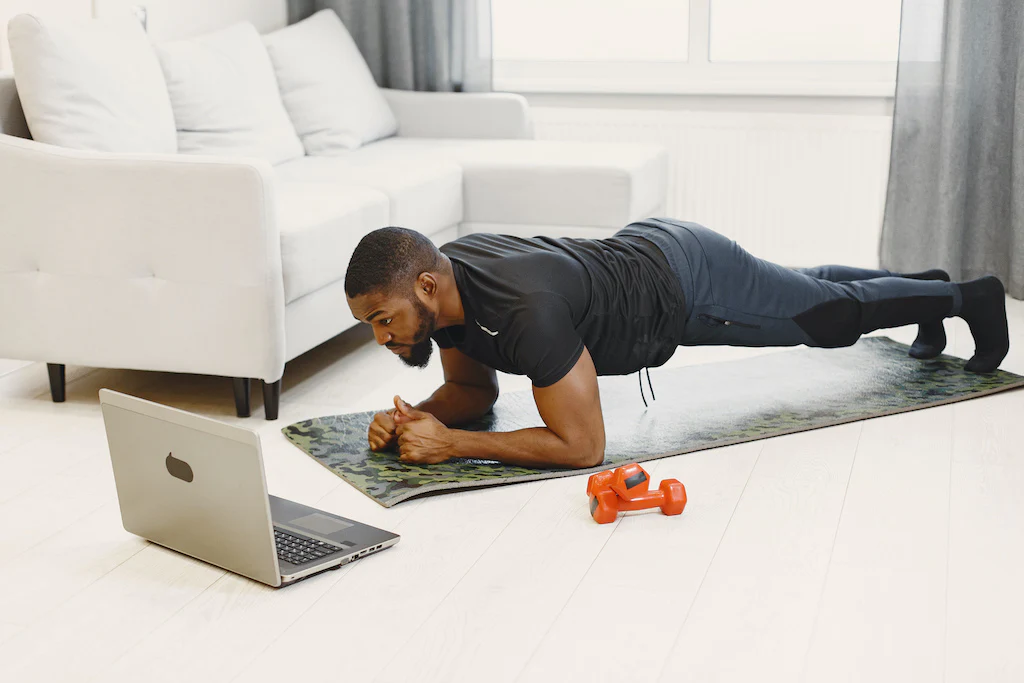
 Fitness tips for busy moms at home
  Beginner fitness plan without equipment
  The Best Fitness Routine for Beginners at Home: Your 4-Week
  Fitness Center vs Gym: Choosing Your Best Workout Fit
  The Importance of Physical Fitness Essay: Health and Mind Benefits
  A Practical Guide to Achieving Fitness Goals Through Sustainable Habits
 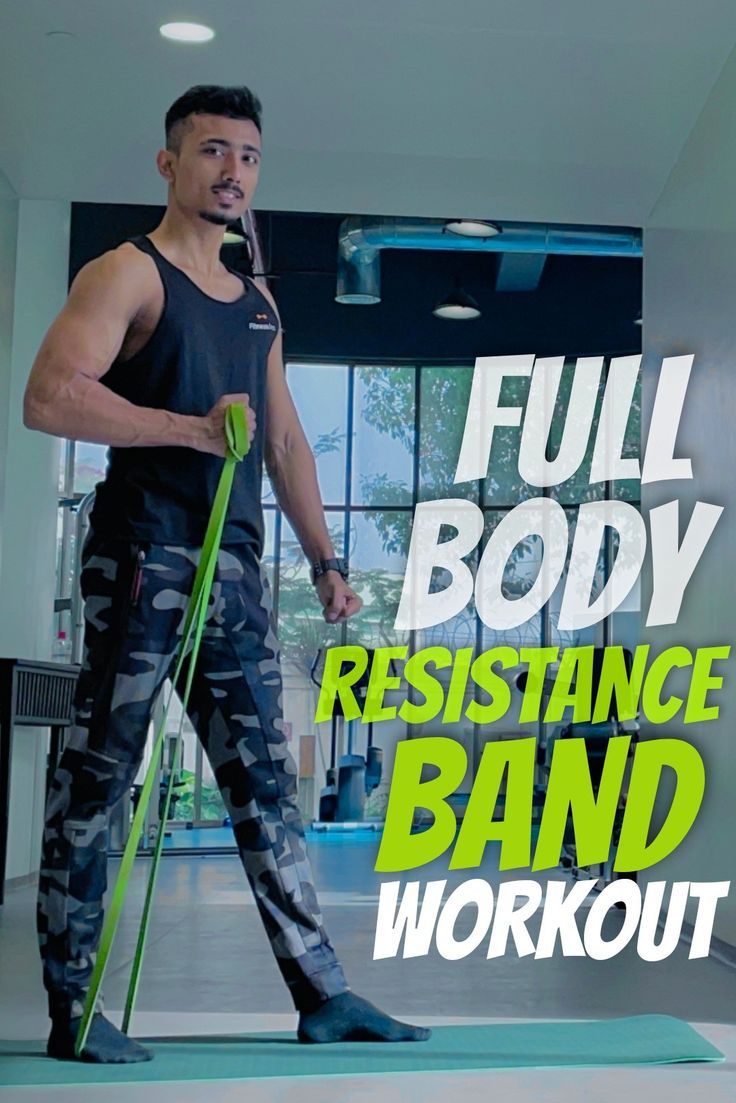 Resistance Band Workout Guide for Strength, Flexibility, and Home Fitness
  Exercise Positions: The Complete Guide to Boost Strength, Flexibility, and
  Europe Airports Prepare for Busiest Ever Christmas Travel Season
  Early Christmas Travel Threatened by Series of Storms in the
  Fashion as a Reflection of Social Movements.
  Guess Showcases Ski Collection with High Altitude Fashion Show
  2024: A Year of Dynamic Fashion Trends
  European Court of Justice Scrutinizes FIFA and UEFA for Antitrust
  Concerns and Controversies at the 2024 Summer Olympics.
  Michael Smith’s Iconic Nine Dart Finish Stuns Sports World
  shihab9948
 Understanding a Resistance Band Workout
A resistance band workout is a simple and effective way to build strength without relying on heavy gym equipment. Resistance bands are stretchy tools that create tension as you pull or push against them. This tension forces your muscles to work harder, which helps improve strength and stability.
People with busy schedules often prefer a resistance band Exercise because the bands are portable and affordable. They work for beginners and advanced users due to the variety of resistance levels. A resistance band workout can strengthen every major muscle group with controlled movements and minimal strain.
Why Many People Choose a Resistance Band Workout
Many people pick a resistance band Exercise for reasons such as:
- It requires little space
- It suits beginners and advanced users
- It is gentle on the joints
- It helps improve balance and strength
- It supports both home and outdoor workouts
A resistance band workout is an accessible way to start or maintain a fitness routine.
How a Resistance Band Workout Helps Build Strength
A resistance band workout challenges your muscles through controlled resistance. When you pull the band, your muscles remain active from start to finish. This constant tension improves muscle growth and endurance. The movements are smooth, which reduces the chance of injury and supports good form.
Benefits of Following a Resistance Band Workout
A resistance band Exercise offers several clear benefits that support daily fitness and long term health.
Strength Gains From a Resistance Band Workout
Resistance bands help you build muscle by increasing tension throughout the entire movement. This helps improve stability and control while training.
Flexibility and Mobility Through a Resistance Band Exercise
Stretching with bands increases mobility. The gentle pull helps lengthen tight muscles, making your body more flexible over time.
Portability and Convenience of a Resistance Band Exercise
Resistance bands are lightweight and easy to carry. You can take them anywhere and complete a resistance band Exercise at home, outdoors, or while traveling.
Joint Friendly Training With a Resistance Band Workout
Band exercises help reduce pressure on your joints. A resistance band Exercise is ideal for people recovering from discomfort or looking for a low impact routine.

Full Body Resistance Band Workout Routine
Below is a structured resistance band workout that targets your entire body. Movements can be done right at home.
Upper Body Resistance Band Exercise Moves
These movements strengthen your shoulders, chest, arms, and back.
Resistance Band Workout for Chest
Chest presses with a band strengthen your chest and triceps. Hold the band behind your back and push forward until your arms straighten.
Resistance Band Workout for Back
Seated rows or standing rows using a band activate your upper and mid back. Pull the band toward your chest to engage the back muscles.
Resistance Band Exercise for Shoulders
Front raises and lateral raises with a band help strengthen your shoulder muscles. This supports better posture and stability.
Resistance Band Workout for Arms
Bicep curls and tricep extensions with a band are effective for shaping the arms. A resistance band workout for arms keeps tension steady and controlled.
Lower Body Resistance Band Exercise Moves
Strengthening your lower body supports balance and mobility.
Resistance Band Exercise for Glutes
Glute bridges with a band around your thighs improve hip strength. Side steps with a band also activate the outer glutes.
Resistance Band Workout for Quads and Hamstrings
Squats with a band increase resistance and help build leg strength. Hamstring curls work well by anchoring the band behind you and pulling your heel back.
Resistance Band Workout for Calves
Standing calf raises with band tension help improve calf strength and balance.
Core Resistance Band Workout Moves
The core supports every movement. A resistance band Exercise keeps your core active during each exercise.
Standing Core Twist Resistance Band Workout
Anchor the band and twist your torso gently. This strengthens your obliques and supports spine stability.
Seated Core Pull Resistance Band Workout
Sitting on the floor, pull the band toward your chest. This engages your upper and lower core.
Side Pull Resistance Band Workout for Obliques
Pull the band from the side to target the obliques and support a stable core.
How to Structure a Resistance Band Workout Plan
A solid routine helps you progress consistently.
Warm Up Steps Before a Resistance Band Workout
Begin with gentle arm swings, light marching, or slow stretching to warm up your muscles. This reduces injury risk and prepares your body for the resistance band Exercise ahead.
Workout Duration and Repetitions
For most people, a resistance band Exercise lasts 20 to 40 minutes. Aim for:
- 12 to 15 repetitions per exercise
- 2 to 4 sets depending on your fitness level
Cool Down and Stretching After Your Resistance Band Exercise
Stretch the muscles you trained. Hold each stretch for 15 to 20 seconds. This helps your muscles recover and reduces tension.

Weekly Schedule for a Balanced Resistance Band Workout
A sample weekly structure:
- Two upper body sessions
- Two lower body sessions
- One core focused resistance band Exercise
You can adjust the plan based on your goals and free time.
How to Choose the Right Resistance Band for Your Resistance Band Exercise
Picking the right band helps you complete each movement with confidence.
Types of Bands and Their Uses
Common options include:
- Loop bands
- Tube bands with handles
- Flat therapy bands
- Heavy duty power bands
Each style supports different movements within your resistance band Exercise.
How to Pick the Correct Resistance Level
Choose a band that challenges you but still allows proper form. Light bands are useful for beginners while stronger bands help with legs and advanced training.
Safety Tips for Every Resistance Band Workout
- Check the band for damage before use
- Avoid overstretching
- Maintain stable footing
- Control each movement
This keeps your resistance band Exercise safe at all times.
Common Mistakes to Avoid in a Resistance Band Workout
Avoiding simple mistakes helps you get better results.
Using the Wrong Band Level
A band that is too light or too heavy reduces effectiveness. Use a level that fits your strength.
Incorrect Form During a Resistance Band Exercise
Proper form ensures the muscles work correctly. Move slowly and keep your posture stable.
Rushing Through Movements
Fast movements reduce tension. A resistance band Exercise requires controlled speed for best results.
Skipping Warm Up or Cool Down
Warm ups and cool downs protect your muscles. Both are essential parts of every resistance band Exercise.
FAQs About Resistance Band Workout
1. Is a resistance band Exercise effective for building muscle
Yes, a resistance band Exercise can build muscle because:
- Bands create constant tension
- Movements activate stabilizing muscles
- You can adjust intensity easily
- It suits beginners and advanced users
2. How often should I do a resistance band Exercise
Most people benefit from:
- Three to five sessions per week
- Rest days between intense sessions
- Mixing upper, lower, and core days
- Adjusting volume based on goals
3. Can a resistance band workout help with weight loss
Yes. A resistance band Exercise supports weight loss because:
- It increases muscle activity
- It boosts your metabolism
- It pairs well with walking or light cardio
- It burns calories without stressing your joints
4. What resistance band should I use for a resistance band workout
Your choice depends on:
- Light bands for arm and shoulder work
- Medium bands for general strength
- Heavy bands for legs and glutes
- Testing tension to ensure proper form
5. Can beginners start with a resistance band workout
Yes, beginners can start easily by:
- Using light bands
- Practicing slow and controlled movements
- Training two to three times weekly
- Following simple full body routines
Conclusion on Resistance Band Workout
A resistance band workout is a practical and flexible fitness option for building strength, improving mobility, and staying active at home. With simple movements and a balanced routine, you can train your entire body without needing large equipment. A resistance band Exercise supports steady progress when you focus on proper form, the right resistance level, and consistent effort. Whether you are a beginner or someone with experience, resistance band training offers an effective way to stay healthy and active.