
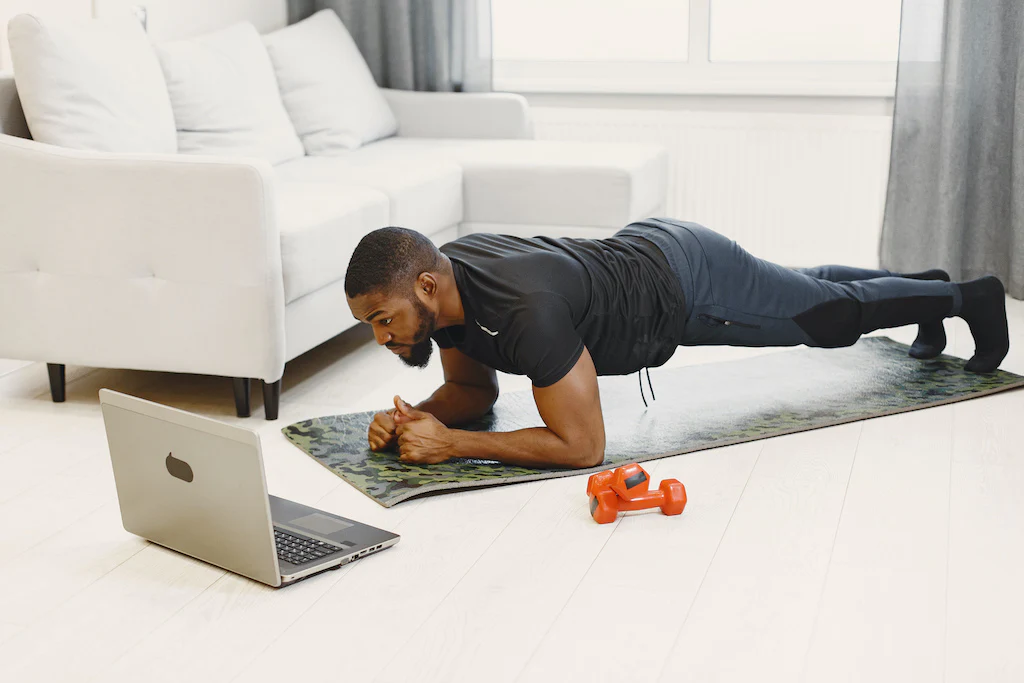
 Fitness tips for busy moms at home
  Beginner fitness plan without equipment
  The Best Fitness Routine for Beginners at Home: Your 4-Week
  Fitness Center vs Gym: Choosing Your Best Workout Fit
  The Importance of Physical Fitness Essay: Health and Mind Benefits
 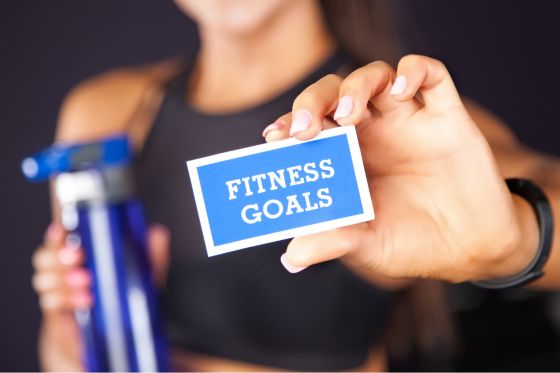 A Practical Guide to Achieving Fitness Goals Through Sustainable Habits
  Resistance Band Workout Guide for Strength, Flexibility, and Home Fitness
  Exercise Positions: The Complete Guide to Boost Strength, Flexibility, and
  Europe Airports Prepare for Busiest Ever Christmas Travel Season
  Early Christmas Travel Threatened by Series of Storms in the
  Fashion as a Reflection of Social Movements.
  Guess Showcases Ski Collection with High Altitude Fashion Show
  2024: A Year of Dynamic Fashion Trends
  European Court of Justice Scrutinizes FIFA and UEFA for Antitrust
  Concerns and Controversies at the 2024 Summer Olympics.
  Michael Smith’s Iconic Nine Dart Finish Stuns Sports World
  shihab9948
 The Article: A Practical Guide to Achieving Fitness Goals Through Sustainable Habits
The decision to start a fitness journey is a positive step. Moving from a wish to an outcome, however, requires structure and commitment. It is important to look at this process as an adjustment to your lifestyle rather than a temporary program. This comprehensive guide details the necessary steps for achieving fitness goals and maintaining the results you work so hard to earn.
The Importance of Clear Goals for Achieving Fitness Goals
Many people begin a fitness routine with a vague idea like “get in shape” or “lose weight.” While these are good starting points, they lack the clarity needed for sustained effort and measuring success. True progress in achieving fitness goals begins with defining exactly what you want to accomplish.

Defining SMART Criteria for Achieving Fitness Goals
The most effective method for setting targets involves using the SMART framework. This ensures your objectives are specific, measurable, attainable, relevant, and time-bound. Applying this structure is critical for achieving fitness goals.
- Specific: Instead of “I want to run more,” say, “I want to run three miles without stopping.” Specific goals offer a clear endpoint.
- Measurable: Goals must have quantifiable metrics. This allows you to track progress toward achieving fitness goals. For example, track weight lost, pounds lifted, or minutes of sustained activity.
- Attainable: Set goals that challenge you but are realistically within reach. Setting unrealistic expectations often leads to discouragement and abandoning the plan.
- Relevant: Your fitness goals should align with your overall life values and priorities. If your goal is to be active to keep up with your children, the relevance is high, fueling motivation.
- Time-bound: A deadline creates a sense of urgency. Without a time frame, your goal is simply a wish. A time frame helps in achieving fitness goals by breaking the process into actionable phases.
Identifying Your Motivation for Achieving Fitness Goals
Motivation is the fuel for achieving fitness goals. It is essential to identify your “why.” Are you pursuing better health to reduce stress, improve energy levels, or manage a specific health condition? Write down these reasons and revisit them regularly. When daily motivation dips, your core reasons provide the push you need to continue working toward achieving fitness goals.
Creating an Actionable Strategy for Achieving Fitness Goals
A strong goal requires an equally strong plan. Success in achieving fitness goals is not random; it is a direct result of consistent, thoughtful planning applied to both exercise and nutrition.
Integrating Exercise into Daily Life
Your workout plan should be one you enjoy and can stick to consistently. It should include a balance of cardiovascular and strength training activities for well-rounded health.
Cardio activities, such as walking, running, or cycling, are vital for heart health and endurance. Aim for a mix of moderate and vigorous intensity. Strength training, using weights, machines, or bodyweight, is non-negotiable for preserving muscle mass and boosting metabolism, which assists greatly in achieving fitness goals. Schedule your workouts like essential appointments.
Progressive Overload for Achieving Fitness Goals
To keep making progress, the body needs to be continuously challenged. This principle is called progressive overload. To continue achieving fitness goals and improving strength, you must gradually increase the demand placed on your musculoskeletal system.
This can mean:
- Increasing the weight lifted.
- Performing more repetitions or sets.
- Decreasing the rest time between sets.
- Increasing the distance or duration of a run.
Without this consistent challenge, your progress toward achieving fitness goals will stall.
The Role of Nutrition in Achieving Fitness Goals
Exercise builds the body but nutrition fuels and repairs it. A targeted nutrition plan is arguably the single most important factor in achieving fitness goals, particularly those related to body composition changes.
Focus on a balanced intake of the three major macronutrients:
- Protein: Essential for muscle repair and growth after exercise.
- Carbohydrates: The body’s primary fuel source, necessary for energy during workouts.
- Fats: Important for hormone production and overall cell function.
Hydration also plays a critical role. Dehydration can severely impair performance and recovery. Aim to drink adequate water throughout the day, especially before, during, and after your training sessions. Planning meals in advance removes the stress of last-minute choices and helps you stay on track with achieving fitness goals.
Prioritizing Rest and Recovery
Rest is when the body adapts and becomes stronger. Undervalue recovery and you risk injury, burnout, and impaired progress. Adequate sleep (7-9 hours for most adults) allows for muscle repair, energy restoration, and hormonal balance, all of which are essential for achieving fitness goals. Incorporate light activities like stretching or foam rolling to aid active recovery.
Managing Common Challenges When Achieving Fitness Goals
The road to achieving fitness goals is rarely straight. There will be times when motivation wanes or progress seems to stop. Recognizing these common obstacles and having strategies to overcome them is the mark of a successful fitness journey.

Dealing with Plateaus and Lack of Progress
A plateau happens when you stop seeing the changes you were seeing previously. This is a common and normal part of achieving fitness goals. It signals that your body has adapted to the current routine.
To break through a plateau, you must introduce a change:
- Adjust Training: Change your workout routine entirely. Try a different strength training split or incorporate high-intensity interval training (HIIT) if you usually do steady-state cardio.
- Revisit Nutrition: Carefully track your food intake for a week. Are you consuming more calories than you think, or perhaps not enough protein to support muscle gain? Small dietary adjustments can restart the process of achieving fitness goals.
Maintaining Consistency During Busy Periods
Life often interferes with fitness plans, but consistency is key to achieving fitness goals. During busy or stressful times, lower your expectations but do not stop entirely.
- The 15-Minute Rule: If you only have a short amount of time, commit to 15 minutes of activity. A short, effective session is far better than skipping the day entirely.
- Use Micro-Workouts: Incorporate short bursts of activity throughout the day, such as bodyweight squats during commercial breaks or a brisk walk on your lunch break. This approach keeps the habit alive and continues the process of achieving fitness goals.
- Prioritize Sleep: Even when busy, protect your sleep schedule, as recovery is non-negotiable.
The Mental Aspect of Achieving Fitness Goals
Physical strength is important, but mental resilience is what truly drives achieving fitness goals.
- Stress Management: High stress elevates cortisol, a hormone that can interfere with fat loss and muscle building. Incorporate stress-reducing activities like meditation or deep breathing into your routine.
- Cultivating a Growth Mindset: View setbacks not as failures but as data points. If a workout was bad, analyze why, learn from it, and adjust the plan. A positive, adaptable mindset is crucial for long-term achieving fitness Targets.
Monitoring Progress and Long-Term Achieving Fitness Goals
Tracking your efforts provides objective feedback, maintains motivation, and allows you to make informed adjustments to your plan. This data is indispensable for achieving fitness goals efficiently.
Effective Ways to Track Your Performance
Relying only on the bathroom scale can be misleading because it does not account for changes in muscle mass. Use a variety of tracking methods for a complete picture of your progress toward achieving fitness goals.
- Journaling Workouts and Food Intake: Record the weights you lift, the distance you run, and every meal. This provides clear data for analysis and adjustment.
- Using Objective Metrics: Take body measurements (waist, hips, arms) monthly. This often shows progress even when the scale does not move.
- Photo Documentation: Take progress photos every 4-6 weeks in the same location and lighting. Visual changes are highly motivating and confirm the progress you are making in achieving fitness goals.
The Habit Loop and Sustained Success
Sustained success in achieving fitness goals is about creating habits. Habits operate on a loop of Cue, Routine, and Reward. The cue might be waking up, the routine is your workout, and the reward is the feeling of energy and accomplishment. By focusing on the consistency of the routine and recognizing the positive reward, fitness becomes an automatic part of your life. Consistent repetition transforms a challenging task into a second nature routine, ensuring you continue achieving fitness goals.

Adjusting Goals Over Time
As you reach your initial goals, your objective should evolve. Once you achieve one goal, set a new, higher one. For example, if your initial goal was to run a 5K, your next goal might be to improve your speed or try a 10K. This continuous process of setting and achieving fitness goals is what defines a true fitness lifestyle. Fitness is a lifetime pursuit, and the goalposts should always be moving forward.
Your Continued Journey in Achieving Fitness Goals
Achieving fitness goals is a personal journey defined by patience, planning, and persistence. It is not about instant gratification but about building a better you one day at a time. By setting SMART goals, committing to a balanced plan of exercise and nutrition, and developing the mental toughness to push through plateaus, you have all the tools necessary for success. Remember to be kind to yourself, celebrate every small win, and never stop pursuing a healthier, stronger life. Your commitment to achieving fitness Targets will pay dividends for years to come.
Common Questions About Achieving Fitness Goals
How can I stay motivated when I feel like giving up on achieving fitness goals?
- Revisit Your ‘Why’: Look back at the original reasons you started the journey. Remind yourself of the benefits you have already gained.
- Adjust Expectations: If a goal seems too distant, break it down into much smaller weekly goals that are easy to check off.
- Find an Accountability Partner: Ask a friend or family member to train with you or simply check in on your progress regularly. Their support can be crucial for achieving fitness goals.
How often should I change my workout routine to keep achieving fitness goals?
- Every 4-6 Weeks: This is a good general guideline. Changing the routine prevents adaptation plateaus and keeps your workouts interesting.
- Focus on Small Changes: You do not need a complete overhaul. Simple changes like varying the order of exercises, increasing the intensity, or swapping a few exercises can be effective in continually achieving fitness goals.
- Change When Progress Stops: If you have not seen any measurable progress in two weeks, it is definitely time to introduce a change to the routine.
What is the most common mistake people make when first attempting achieving fitness goals?
- Trying to Do Too Much Too Soon: Starting with extremely intense or long workouts often leads to burnout, injury, and quitting the program quickly.
- Neglecting Nutrition: People often overestimate the calories burned in a workout and underestimate the calories consumed, undermining their efforts for achieving fitness Targets.
- Comparing Themselves to Others: Fitness is personal. Focusing on your own journey and avoiding comparisons to others who may have different genetics or training backgrounds is key to staying positive and focused on achieving fitness goals.
How important is sleep in achieving fitness goals, specifically muscle gain?
- Crucially Important: Sleep is essential for muscle repair. During deep sleep, the body releases growth hormone, which helps with tissue repair and muscle growth.
- Impact on Energy: Lack of sleep decreases energy levels, making it harder to push yourself during workouts, which slows down the process of achieving fitness goals.
- Hormonal Balance: Poor sleep negatively affects hormones like cortisol and ghrelin, which can lead to increased stress, fat storage, and poor appetite regulation, hindering the process of achieving fitness goals.
{ "@context": "https://schema.org", "@type": "BlogPosting", "mainEntityOfPage": { "@type": "WebPage", "@id": "https://dailyfitnessguide.com/achieving-fitness-goals/" }, "headline": "A Practical Guide to Achieving Fitness Goals Through Sustainable Habits", "image": "https://dailyfitnessguide.com/wp-content/uploads/2025/12/issa-blogheader-fitnessgoals-300x157.webp", "author": { "@type": "Organization", "name": "dailyfitnessguide", "url": "https://dailyfitnessguide.com/" }, "publisher": { "@type": "Organization", "name": "dailyfitnessguide", "logo": { "@type": "ImageObject", "url": "https://dailyfitnessguide.com/wp-content/uploads/2025/03/2.png" } }, "datePublished": "" }