
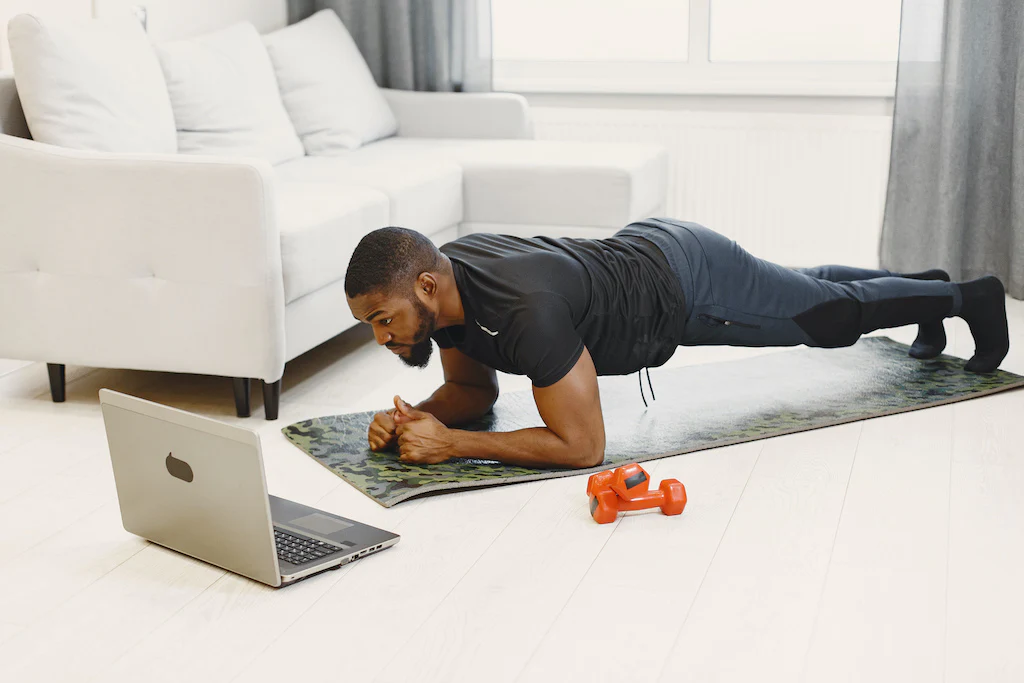
 Fitness tips for busy moms at home
  Beginner fitness plan without equipment
 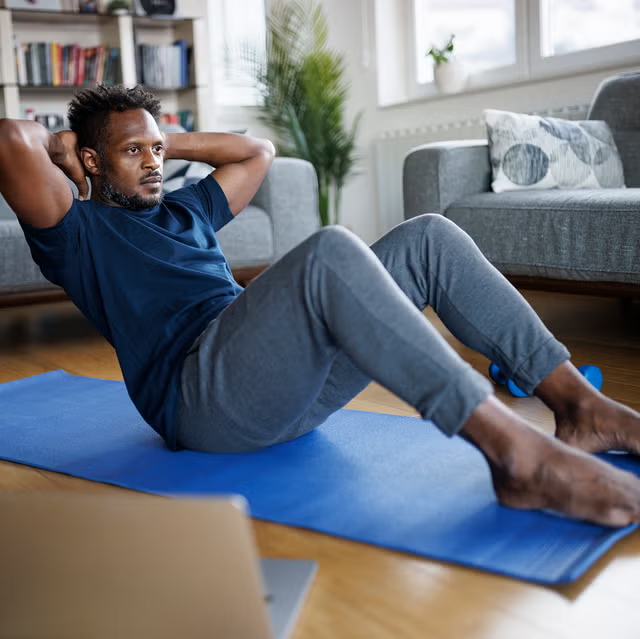 The Best Fitness Routine for Beginners at Home: Your 4-Week
  Fitness Center vs Gym: Choosing Your Best Workout Fit
  The Importance of Physical Fitness Essay: Health and Mind Benefits
  A Practical Guide to Achieving Fitness Goals Through Sustainable Habits
 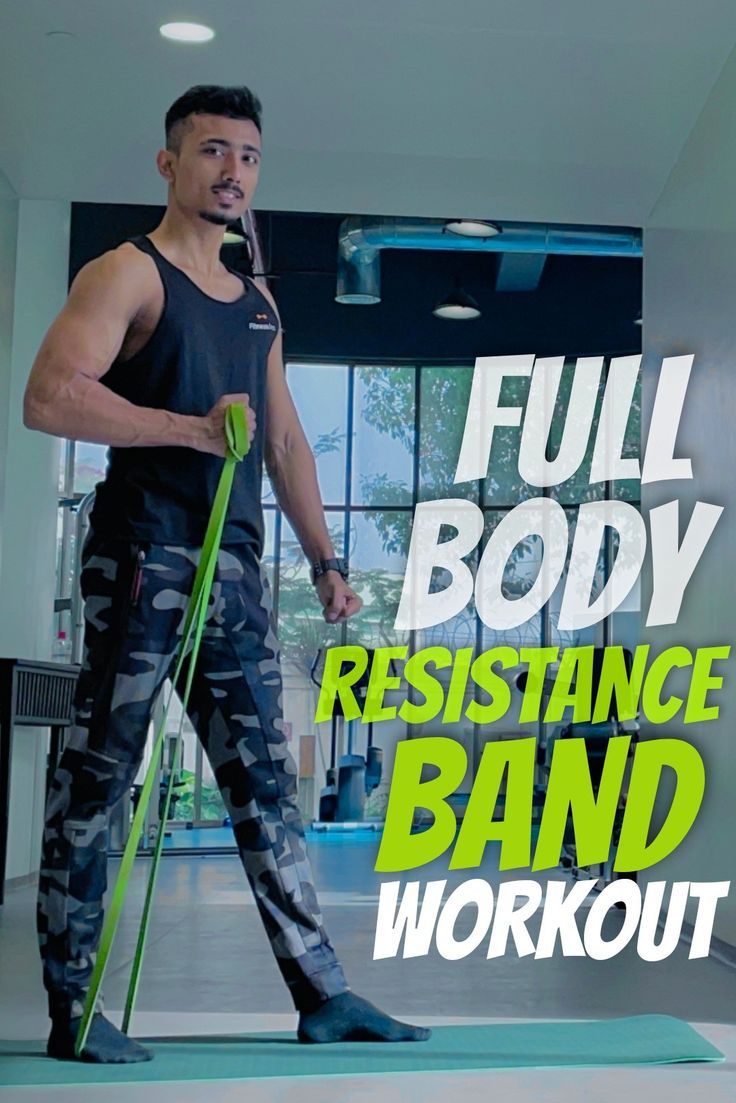 Resistance Band Workout Guide for Strength, Flexibility, and Home Fitness
 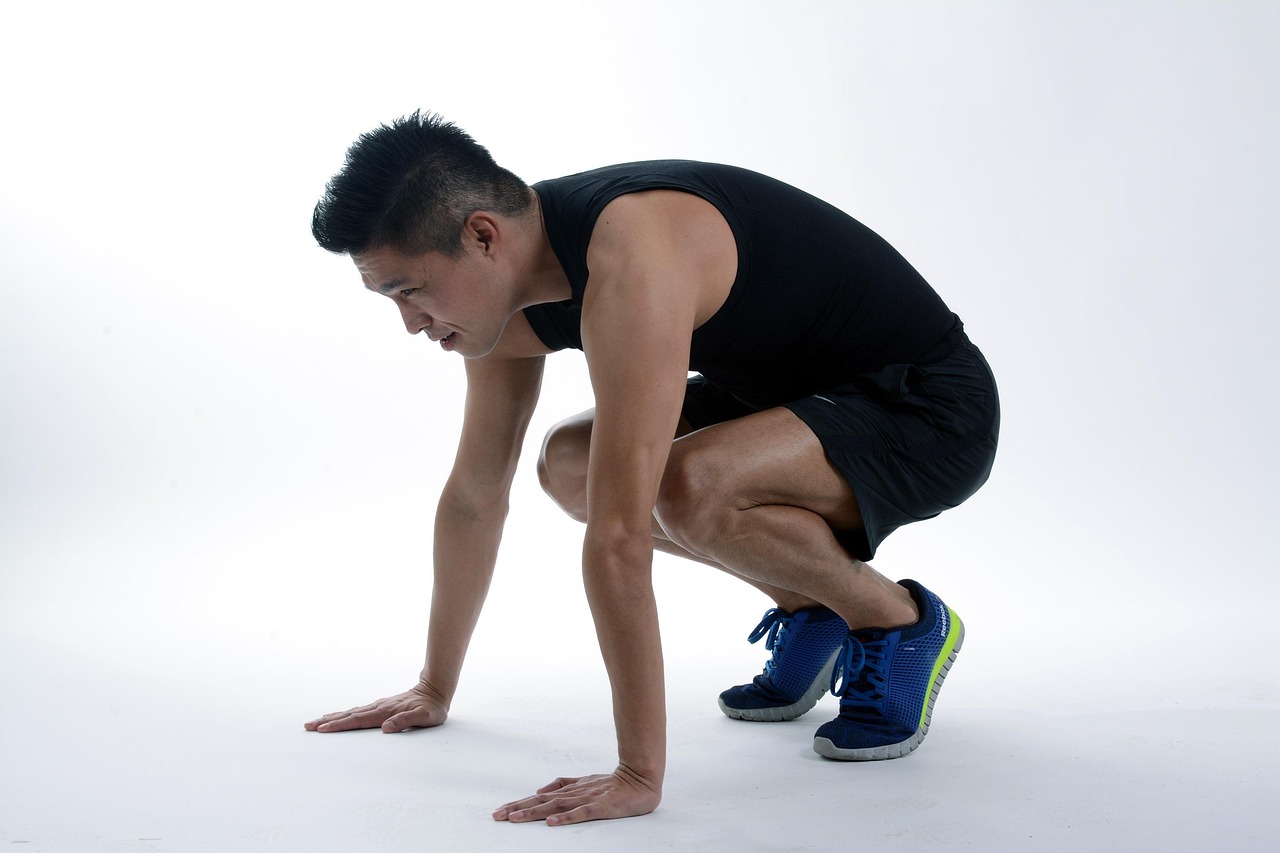 Exercise Positions: The Complete Guide to Boost Strength, Flexibility, and
  Europe Airports Prepare for Busiest Ever Christmas Travel Season
  Early Christmas Travel Threatened by Series of Storms in the
  Fashion as a Reflection of Social Movements.
  Guess Showcases Ski Collection with High Altitude Fashion Show
  2024: A Year of Dynamic Fashion Trends
  European Court of Justice Scrutinizes FIFA and UEFA for Antitrust
  Concerns and Controversies at the 2024 Summer Olympics.
  Michael Smith’s Iconic Nine Dart Finish Stuns Sports World
  shihab9948
 Strategies to Progress Your Beginner Fitness Plan Without Equipment
Your body adapts quickly. To continue making progress beyond the initial four weeks, you must gradually increase the difficulty of your beginner fitness plan without equipment. This is called progressive overload.
Increasing Intensity (Time Under Tension, Reducing Rest)
- Time Under Tension: Slow down the negative phase of your exercises. For example, when squatting, take three seconds to lower into the squat position. This puts more stress on the muscles without needing external weight.
- Reduce Rest: Shorten your rest time between rounds from 90 seconds down to 60 seconds. This increases the intensity of your beginner fitness plan by keeping your heart rate elevated.
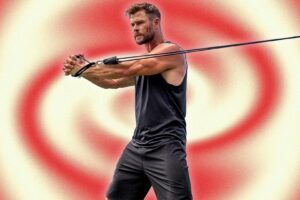
Graduating Exercises (Moving from Wall Push-ups to Incline Push-ups)
- Level Up Movements: Once you can complete 12 repetitions of an exercise with perfect form for three consecutive workouts, move to the next level of difficulty. For example, trade the Wall Push-up for the Incline Push-up.
- Add Sets: If you are comfortable with the difficulty of the movement, increase the total number of sets from three to four.
Making the Beginner Fitness Plan Without Equipment a Lasting Habit
Long-term success relies on maintaining motivation. Find ways to make your beginner fitness plan without equipment non-negotiable. Schedule it like a work meeting. Find an accountability partner to check in with. Focus on how great you feel after the workout, rather than how difficult it is to start.
Fueling and Repairing Your Body During the Beginner Fitness Plan
Training is only half the battle. What you consume and how you rest dictate how quickly your body adapts to the beginner fitness plan without equipment.
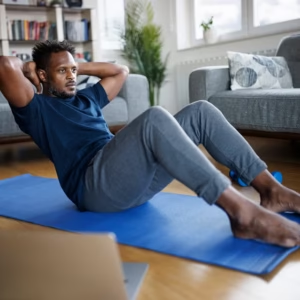
Hydration and Its Impact on Muscle Function
Water is vital for almost every bodily process, including muscle contraction and nutrient transport.
- Constant Hydration: Sip water throughout the day, not just during your workouts. Dehydration leads to fatigue and reduces the effectiveness of your beginner fitness plan.
- Recovery: Water helps flush out metabolic waste products that contribute to muscle soreness.
The Role of Protein and Whole Foods in Supporting Your Fitness Plan
Proper nutrition supports muscle repair and sustained energy.
- Protein for Repair: After your workout, consuming a source of protein (like eggs, yogurt, or beans) aids in muscle tissue repair. This maximizes the strength gains from your beginner fitness plan without equipment.
- Complex Carbs for Energy: Whole grains, fruits, and vegetables provide the sustained energy your body needs to fuel your workouts and maintain energy throughout your day.
Common Questions About the Beginner Fitness Plan Without Equipment
What is the ideal workout frequency for a beginner fitness plan without equipment?
Three to four strength training days per week is ideal. This frequency is perfect for a beginner fitness plan without equipment because it allows for sufficient rest between training sessions while building consistent routine and movement patterns.
Will I lose weight or gain muscle with a beginner fitness plan without equipment?
You can achieve both. A consistent beginner fitness plan without equipment will build lean muscle mass while the exercise burns calories. Paired with a nutritious diet, this bodyweight plan is highly effective for improving body composition, leading to both fat loss and muscle toning.
What should I do if an exercise in the beginner fitness plan causes knee or joint pain?
Stop immediately. If a squat causes knee pain, reduce the depth or switch to a glute bridge. If an incline push-up causes wrist pain, move back to the wall push-up. The beginner fitness plan must be modified to prevent pain and avoid injury.
How quickly should I progress or change my beginner fitness plan without equipment?
Only change or progress an exercise once you can perform the current level of that movement with perfect form for at least three consecutive sessions. Rushing progression in a beginner fitness plan without equipment can lead to form breakdown and injury.
Is walking considered adequate cardio for this beginner fitness plan?
Yes, brisk walking is an excellent form of cardio, especially for a beginner. It improves heart health and endurance without placing high impact stress on the joints, making it a safe and essential part of the beginner fitness plan without equipment.
The most effective approach to fitness is starting simply and being consistent. The beginner fitness plan without equipment detailed here gives you all the tools you need—structure, movements, and progression strategies—to build a strong, sustainable foundation for a healthier life. Commit to the next four weeks, focus on showing up, and celebrate the feeling of getting stronger every day.
{ "@context": "https://schema.org", "@type": "BlogPosting", "mainEntityOfPage": { "@type": "WebPage", "@id": "https://dailyfitnessguide.com/beginner-fitness-plan-without-equipment/" }, "headline": "Beginner fitness plan without equipment", "image": "https://dailyfitnessguide.com/wp-content/uploads/2025/12/3318170-300x171.webp", "author": { "@type": "Organization", "name": "dailyfitnessguide", "url": "https://dailyfitnessguide.com/" }, "publisher": { "@type": "Organization", "name": "dailyfitnessguide", "logo": { "@type": "ImageObject", "url": "https://dailyfitnessguide.com/wp-content/uploads/2025/03/2.png" } }, "datePublished": "" }