
 Fitness tips for busy moms at home
  Beginner fitness plan without equipment
  The Best Fitness Routine for Beginners at Home: Your 4-Week
  The Importance of Physical Fitness Essay: Health and Mind Benefits
  A Practical Guide to Achieving Fitness Goals Through Sustainable Habits
  Resistance Band Workout Guide for Strength, Flexibility, and Home Fitness
  Exercise Positions: The Complete Guide to Boost Strength, Flexibility, and
  Europe Airports Prepare for Busiest Ever Christmas Travel Season
  Early Christmas Travel Threatened by Series of Storms in the
  Fashion as a Reflection of Social Movements.
  Guess Showcases Ski Collection with High Altitude Fashion Show
  2024: A Year of Dynamic Fashion Trends
  European Court of Justice Scrutinizes FIFA and UEFA for Antitrust
  Concerns and Controversies at the 2024 Summer Olympics.
  Michael Smith’s Iconic Nine Dart Finish Stuns Sports World
  shihab9948
 Choosing the Right Fit: Understanding Fitness Center vs Gym
The pursuit of better health often leads people to consider joining a facility. Yet, prospective members frequently encounter two similar terms: “gym” and “fitness center“. While often used interchangeably in everyday conversation, there are significant differences between a traditional gym and a modern fitness center. Understanding these distinctions is crucial for anyone looking to invest in their health journey.
This detailed guide will clarify the core features of each type of facility, compare the costs, services, and environments, and help you determine whether a dedicated gym or a comprehensive fitness center is the best choice for achieving your specific goals. Making the right decision starts with defining what you need from your membership.

What Defines a Traditional Gym and Its Core Focus on Physical Fitness
A traditional gym is built on a foundation of functionality and efficiency. The primary goal of a gym is to provide the necessary equipment for physical conditioning, strength training, and cardiovascular exercise. These facilities prioritize the essentials needed to execute a workout plan.
Equipment: The Heart of the Gym Experience
The equipment selection is the strongest feature of any gym. You can generally expect to find extensive sections dedicated to resistance training and cardio.
-
Free Weights and Strength Training: Most gyms offer a large selection of free weights, including dumbbells, barbells, squat racks, and benches. This focus caters heavily to individuals prioritizing strength building, powerlifting, or bodybuilding. The sheer volume of equipment often means less waiting time, even during peak hours.
-
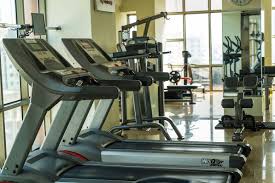
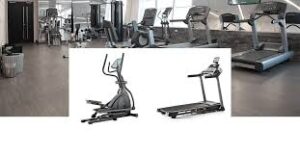
Cardiovascular Machines: A variety of standard cardio equipment is a staple of the basic gym model. This includes rows of treadmills, elliptical machines, stationary bikes, and sometimes rowing machines. The emphasis is on providing reliable machines for independent cardio sessions.
Atmosphere and Culture in a Classic Gym
The general environment in a classic gym is typically focused and goal-oriented. The culture is often self-directed, attracting serious lifters and members who prefer to manage their own routines without much external structure.
The design is straightforward, emphasizing workout space over luxury. If your main objective is to perform a specific lifting program or run on a treadmill, the functional, no-frills setting of a traditional gym provides exactly what you need. The operational model often allows these facilities to offer lower membership fees compared to a full-service fitness center.
Exploring the Holistic Approach of a Modern Fitness Center
The term “fitness center” typically refers to a facility that expands well beyond the essential weight machines and cardio equipment. A fitness center adopts a more holistic approach to wellness, offering a broader array of amenities, services, and classes designed to serve a diverse membership base and encourage overall well-being.
Enhanced Facilities and Services at a Fitness Center
A key difference between a basic gym and a comprehensive fitness center lies in the diversity of non-equipment-based activities and services provided.
-
Group Fitness Classes: Classes are a major draw for the fitness center. Offerings might include high-intensity interval training (HIIT), yoga, Pilates, spin cycling, Zumba, or aquatic exercise. These structured sessions are often included in the standard membership and provide guidance, variety, and motivation that is difficult to replicate in a typical gym setting.
-
Aquatic Facilities: Many high-quality fitness centers feature swimming pools, which are used for lap swimming, water aerobics, and sometimes physical therapy. A pool adds a layer of versatility to workout options, especially for those seeking low-impact exercise.
-
Wellness and Recovery Services: To promote recovery and relaxation, a fitness center often includes amenities like saunas, steam rooms, or hot tubs. These features contribute to the overall wellness experience and make the facility a place where members can spend more time beyond the actual workout.
The Community and Social Element in a Fitness Center
The environment of a fitness center tends to be more community-focused and family-friendly. The structure of group classes naturally fosters interaction and social connections among members.
-
Diverse Appeal: Because of the wide range of offerings—from childcare services to specific programming for seniors—a fitness center attracts entire families and people with vastly different fitness levels and interests. The atmosphere is generally less intense than a dedicated weightlifting gym.
-
Structured Support: Members who prefer guidance or variety, or who are new to exercise, often find the structured environment of a fitness center more welcoming and supportive than the independent nature of a basic gym.
Comparing Fitness Center vs Gym: Membership Cost and Value
When assessing the options, the price of membership is usually the most tangible point of comparison. The core distinction between a fitness center vs gym is often reflected directly in the monthly dues.
Gym Membership: The Budget-Friendly Choice
A simple, functional gym typically maintains lower operating costs. They invest primarily in equipment maintenance and staffing the front desk.
-
Lower Fees: If your primary concern is access to quality equipment at the lowest possible price, a basic gym membership is usually the answer. These facilities operate on the principle that many members only require the essentials.
-
Fewer Extras: Be aware that a lower price may mean that group classes, towels, or other amenities may not be included or are not available at all. The value here is purely in the equipment access.
Fitness Center Pricing: Justifying the Premium Cost
The breadth of amenities and services offered by a fitness center necessarily results in a higher overhead cost, which is passed on to the member.
-
Higher Standard Rates: A full-service fitness center membership will almost always be more expensive than a basic gym. The premium covers the cost of maintaining pools, paying class instructors, and staffing childcare centers.
-
Value Assessment: When evaluating a fitness center vs gym, you must look at the value delivered. If you regularly attend three yoga classes a week, use the pool, and take advantage of the sauna, the higher fee may be less than the cost of paying for those services separately. The value proposition of a fitness center is based on utility and variety.
Services and Staff: A Major Distinction Between Fitness Center vs Gym
Beyond equipment and price, the level and type of services provided mark a critical difference between a typical fitness center vs gym.
Personal Training Availability at a Gym vs. Fitness Center
Both types of facilities typically offer personal training, but the approach and scope can differ.
-
Gym Training Focus: Personal trainers at a specialized gym often have deep expertise in strength training, muscle hypertrophy, and performance metrics. Their focus is often on one-on-one coaching for specific athletic or physical goals.
-
Fitness Center Training Scope: Trainers at a fitness center might have a broader skill set, often incorporating nutritional guidance, functional fitness, rehabilitation exercises, and general wellness coaching. The service here is often aimed at a wider demographic, including older adults or those recovering from injuries.
Additional Programs Often Found at a Fitness Center
The ability to offer adjacent health services is a strong differentiator for a full-service fitness center.
-
Integrated Wellness: Some fitness centers partner with or directly employ staff for services like nutritional counseling, physical therapy, or massage. This integration makes the facility a one-stop-shop for health, something rarely seen in a basic gym environment.
-
Specialty Programming: Programs geared towards specific populations, such as prenatal fitness, youth sports conditioning, or chronic disease management, are common offerings at a fitness center. These specialty programs require dedicated space and expert staffing, setting them apart from the core operations of a standard gym.
Making the Best Choice for Your Goals: Is a Fitness Center or Gym Right for You
The final decision of fitness center vs gym should be based entirely on your personal needs, habits, and financial priorities. Neither option is inherently superior to the other.
The Ideal Member for a Basic Gym
A basic gym is the perfect solution for several types of individuals:
-
The Independent Exerciser: You know your routine, you are self-motivated, and you do not require group classes or external guidance. You simply need access to specific weight or cardio machines.
-
The Budget-Conscious Member: You prioritize the lowest possible monthly fee and are unwilling to pay for amenities you will never use, like a pool or a yoga studio.
-
The Serious Lifter: You spend the majority of your time in the weight room and need robust equipment like multiple squat racks and high volumes of free weights, which a functional gym often provides in greater quantity than a multi-purpose fitness center.
The Ideal Member for a Full-Service Fitness Center
A comprehensive fitness center offers maximum value to members with broader needs:
-
The Variety Seeker: You get bored easily and require a rotating schedule of activities, such as spin one day and swimming the next. The class schedule is a key factor in your motivation.
-
The Family User: You need onsite childcare or want a facility that offers programs for your children as well, allowing the entire family to participate in physical activities.
-
The Holistic Wellness Advocate: You value recovery and social interaction as much as the workout itself. Amenities like the sauna, steam room, and social spaces are high on your priority list. The difference between fitness center vs gym here lies in the focus on complete well-being.
Smart Steps to Take When Deciding on a Fitness Center vs Gym
Before signing any contract, taking a few preparatory steps can prevent regret and ensure you choose the facility that aligns best with your lifestyle.
Location, Hours, and Convenience are Crucial for Any Fitness Center
This is a fundamental consideration, regardless of whether you choose a fitness center vs gym.
-
The Proximity Test: Evaluate the location relative to your home or workplace. A facility that is a major detour will quickly become an unused expense. Convenience directly correlates with consistency.
-
Operating Hours: If you are an early riser or a night owl, confirm that the hours of operation meet your needs. Some large chain gyms offer 24/7 access, which is less common for full-service fitness centers with staffed facilities like pools and childcare.
The Importance of a Trial Membership at the Gym or Center
Never commit to a long-term contract without trying the facility first.
-
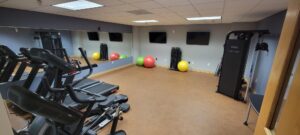
Test the Environment: Take advantage of a free pass or a short trial membership. Use the facility at the time of day you plan to exercise regularly. This allows you to assess the equipment availability, the cleanliness, and the staff’s demeanor during peak usage.
-
Experience the Classes: If you are considering a fitness center, attend a few of the classes you are interested in. This helps you gauge the quality of the instructors and the atmosphere of the group setting.
Common Questions About Fitness Center vs Gym
This section addresses common uncertainties people have when comparing these two options.
What is the single biggest difference between a fitness center vs gym?
The biggest difference is the scope of service. A gym primarily focuses on equipment for strength and cardio. A fitness center expands that scope to include structured classes, aquatic facilities, wellness recovery amenities like saunas, and often specialized programs, making it a more comprehensive wellness provider.
Are fitness center memberships always more expensive than a basic gym?
Generally, yes. The extensive amenities, larger staff requirements (for classes, pools, and childcare), and broader maintenance needed at a fitness center necessitate a higher fee than what is charged at a no-frills gym. However, value is subjective and depends on how many of those extra services you actually use.
Does a gym offer group classes, or is that only at a fitness center?
While classes are a hallmark of the modern fitness center, some larger or specialized gyms have begun incorporating basic group fitness offerings, particularly cycling or strength-based training. But if your main reason for joining is an extensive, rotating class schedule, a true fitness center is the more reliable option.
How can I calculate the effective keyword density for fitness center vs gym in my article?
You must count the total number of words in the article and the total number of times the full keyword or its essential variants (like fitness center or gym) appear. Divide the count by the total words and multiply by 100 to get the percentage. For SEO purposes, maintaining the keyword around $2\%$ ensures optimal visibility without sacrificing human readability.
Which option is better for a beginner: a fitness center vs gym?
A fitness center is often better for a beginner. The abundance of group classes provides built-in structure, instruction, and social motivation, reducing the anxiety of knowing what to do. A basic gym environment often requires the beginner to be self-directed and already comfortable with equipment usage.
The choice between a fitness center vs gym is a personal calculation that balances cost, convenience, and services. A dedicated gym offers maximum utility for the minimal cost, perfect for those who know their routine. A comprehensive fitness center provides a rich variety of activities and amenities, appealing to those seeking an all-encompassing wellness experience. Assess your goals, try both options, and choose the facility that makes consistency achievable for you.
{ "@context": "https://schema.org", "@type": "BlogPosting", "mainEntityOfPage": { "@type": "WebPage", "@id": "https://dailyfitnessguide.com/fitness-center-vs-gym/ " }, "headline": "Fitness Center vs Gym: Choosing Your Best Workout Fit", "image": "https://dailyfitnessguide.com/wp-content/uploads/2025/12/Man-Achieving-His-2024-Fitness-Goals-1-300x200.webp", "author": { "@type": "Organization", "name": "dailyfitnessguide", "url": "https://dailyfitnessguide.com/" }, "publisher": { "@type": "Organization", "name": "dailyfitnessguide", "logo": { "@type": "ImageObject", "url": "https://dailyfitnessguide.com/wp-content/uploads/2025/03/2.png" } }, "datePublished": "" }