
 Fitness tips for busy moms at home
  Beginner fitness plan without equipment
  The Best Fitness Routine for Beginners at Home: Your 4-Week
  Fitness Center vs Gym: Choosing Your Best Workout Fit
  The Importance of Physical Fitness Essay: Health and Mind Benefits
  A Practical Guide to Achieving Fitness Goals Through Sustainable Habits
 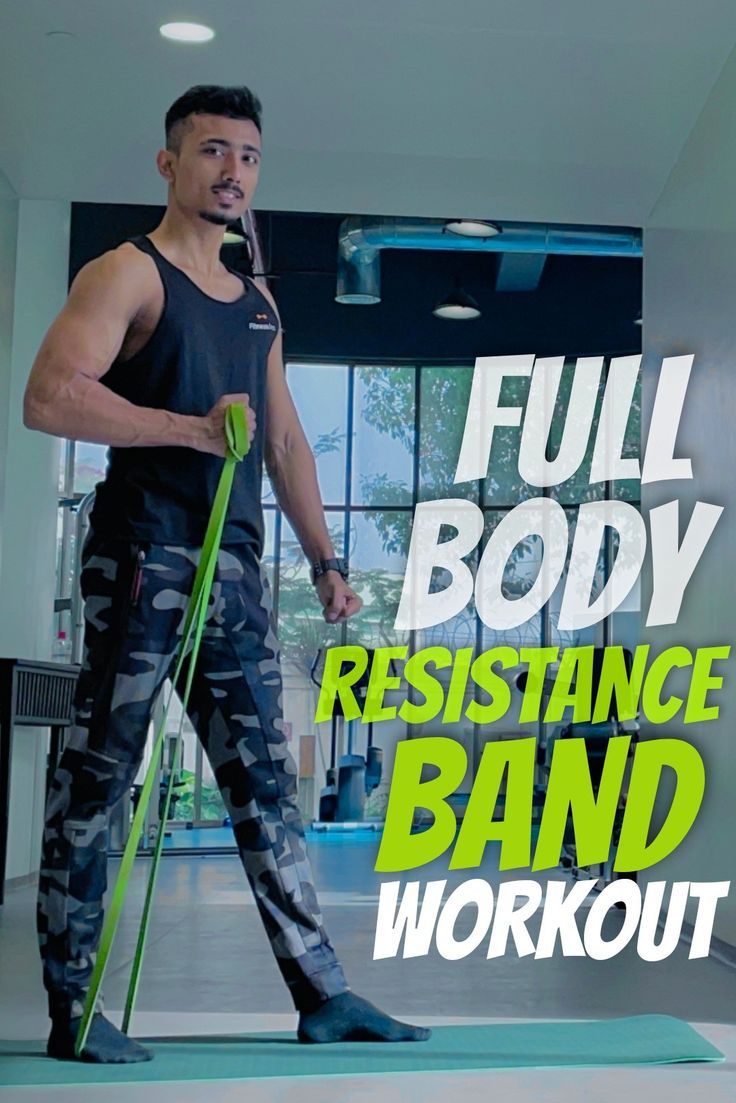 Resistance Band Workout Guide for Strength, Flexibility, and Home Fitness
 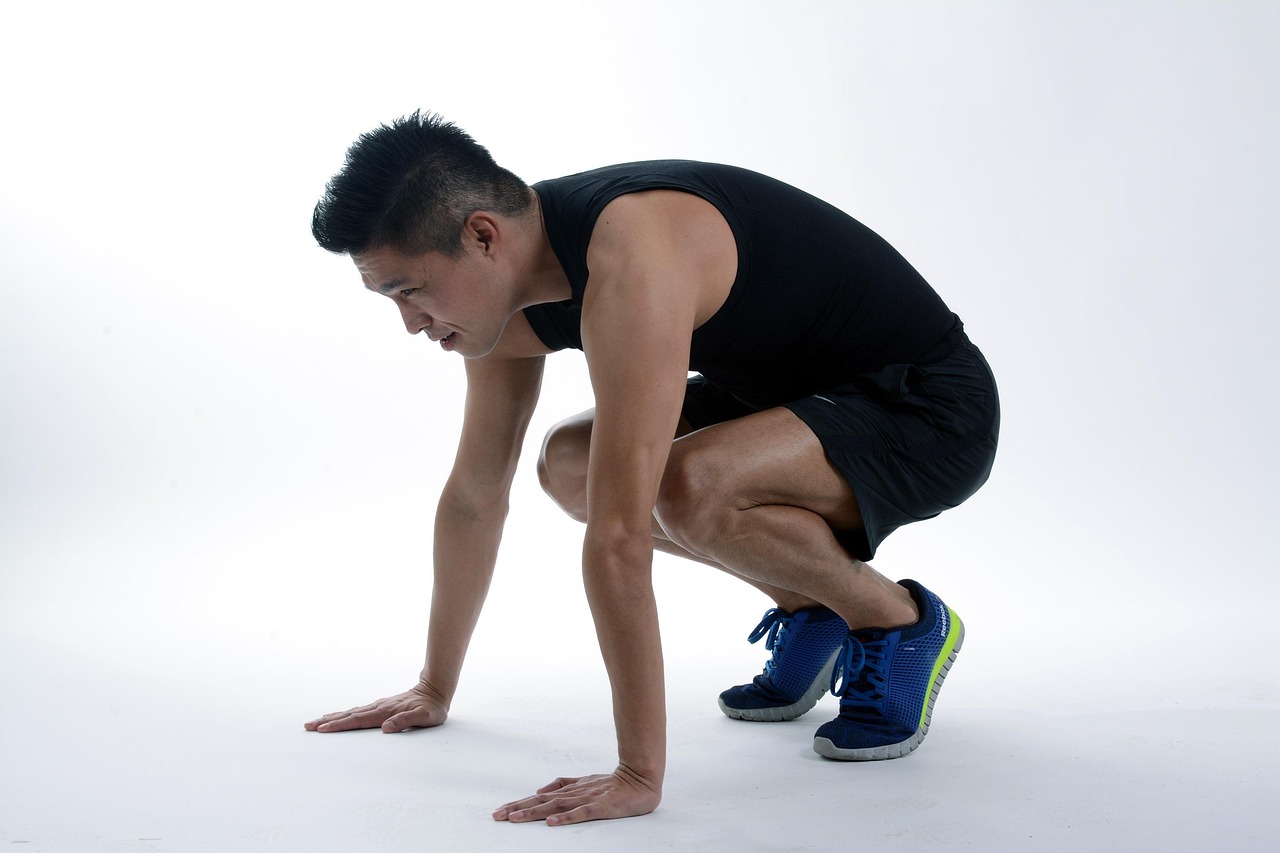 Exercise Positions: The Complete Guide to Boost Strength, Flexibility, and
  Europe Airports Prepare for Busiest Ever Christmas Travel Season
  Early Christmas Travel Threatened by Series of Storms in the
  Fashion as a Reflection of Social Movements.
  Guess Showcases Ski Collection with High Altitude Fashion Show
  2024: A Year of Dynamic Fashion Trends
  European Court of Justice Scrutinizes FIFA and UEFA for Antitrust
  Concerns and Controversies at the 2024 Summer Olympics.
  Michael Smith’s Iconic Nine Dart Finish Stuns Sports World
  shihab9948
 Starting Right: The Best Fitness Routine for Beginners at Home
Beginning a fitness journey is a significant step toward better health. For many, the idea of going to a gym is intimidating, leading them to look for alternative solutions. This is where creating the best fitness routine for beginners at home becomes a powerful, accessible option. Working out in the comfort of your own space removes pressure, eliminates travel time, and allows you to learn movements at your own pace.
The most effective fitness plan is not the most complicated one, but the one you can stick to consistently. This detailed guide provides a structured, comprehensive approach for establishing the best fitness routine for beginners at home, focusing on safety, foundational strength, and sustainable habits over the next four weeks and beyond. We will break down preparation, essential movements, scheduling, and strategies for long-term commitment.
Essential Preparation for Beginning Your At-Home Fitness Routine
Success in fitness, especially for a beginner, relies heavily on preparation. Simply jumping into high-intensity workouts can lead to injury or burnout. A structured approach ensures your fitness routine for beginners at home starts safely and successfully.
Setting Realistic Expectations for Your Fitness Routine for Beginners at Home
Many newcomers expect immediate dramatic results, which can lead to frustration when progress is slow. The initial focus of the best fitness routine for beginners at home should be on building routine and improving functional movement patterns.
- Focus on Consistency: Aim to complete your scheduled workouts rather than achieving peak intensity. Showing up is the most important accomplishment in the first few weeks.
- Small, Measurable Progress: Notice small changes, like having more energy throughout the day, sleeping better, or feeling stronger when carrying groceries. These are genuine signs your beginner fitness routine is working.
- Patience is Key: Strength and endurance gains take time. Commit to the four-week plan before evaluating your physical progress.
Creating a Safe Space and Gathering Minimal Equipment
One of the great advantages of an at-home fitness routine is the minimal gear required.
- The Workout Zone: Clear a space roughly six feet by six feet where you can move freely without hitting furniture. Ensure the floor is non-slip.
- Basic Comfort: A yoga mat or a thick towel provides cushioning for your joints during floor work, making your fitness routine for beginners at home more comfortable.
- Hydration: Keep a water bottle nearby. Staying hydrated is essential for performance and muscle function.
- Supportive Footwear: Even at home, wear athletic shoes designed for stability, especially when performing standing movements like squats or lunges.
Importance of Warm-up and Cool-down in any Beginner Fitness Routine
Never skip the start or the end of your session. Warm-ups prepare your muscles for activity, and cool-downs help your body return to a resting state, improving flexibility and reducing post-workout soreness.
- Warm-Up (5 Minutes): Include light movement to increase blood flow. Examples include marching in place, arm circles, side bends, and high knees performed slowly.
- Cool-Down (5 Minutes): Focus on static stretching (holding a stretch). Hold each stretch for 20 to 30 seconds. Target major muscle groups used, like quadriceps, hamstrings, shoulders, and chest. This prevents muscles from tightening up after your at-home fitness routine.
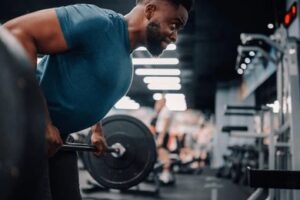
Foundational Movements in the Best Fitness Routine for Beginners at Home
The best fitness routine for beginners at home utilizes fundamental bodyweight exercises. These movements recruit multiple muscle groups at once, offering maximum benefit in minimal time.
Prioritizing Form Over Repetitions in Your At-Home Fitness Routine
The goal for a beginner is to understand and control the movement, not simply to hit a high number of repetitions. Poor form can lead to injury and minimize muscle activation.
- Slow Movement: Perform the lowering (eccentric) part of each exercise slowly and deliberately. For example, take two to three seconds to lower into a squat.
- Video Check: If possible, record yourself performing an exercise (like a squat or push-up) once a week and compare it to a video demonstration. This is an effective way to self-correct form during your fitness routine for beginners at home.
The Role of Bodyweight Training in a Beginner Fitness Routine
Bodyweight exercises are excellent because they are scalable. You can easily modify them to increase or decrease difficulty, ensuring the best fitness routine for beginners at home constantly adapts to your growing strength.
- Functional Strength: These movements mimic actions you perform daily—squatting to sit down, standing up, or pushing open a door. They build practical, functional strength.
- Core Engagement: Nearly all bodyweight exercises require strong core activation to stabilize the body, making them incredibly efficient for total body fitness.
Your 4-Week Plan: The Best Fitness Routine for Beginners at Home
This structured plan details three strength training days and one active cardio day per week, with adequate rest built in. This consistency is the core of the best fitness routine for beginners at home. Perform the strength routine three times weekly, resting at least one day between sessions.
Lower Body and Core Exercises
These exercises build a powerful base, which is crucial for overall health and movement.
- Bodyweight Squat: Perform 12 repetitions. Focus on keeping your chest up and weight balanced in your heels.
- Glute Bridge: Perform 15 repetitions. Pause for one second at the top, squeezing your glutes firmly before lowering.
- Reverse Lunge: Perform 10 repetitions on each leg. Step straight back, maintaining balance and keeping your front knee aligned over your ankle.
Upper Body and Pushing Movements
Building upper body strength is vital and easily accomplished with modifications to standard exercises.
- Wall Push-Up: Perform 12 repetitions. This modification reduces the amount of body weight you push, making it perfect for the start of your fitness routine for beginners at home.
- Incline Push-Up: Progress to placing your hands on a sturdy chair or bench. Perform 10 repetitions. This is the next step up from the wall push-up as you gain strength.
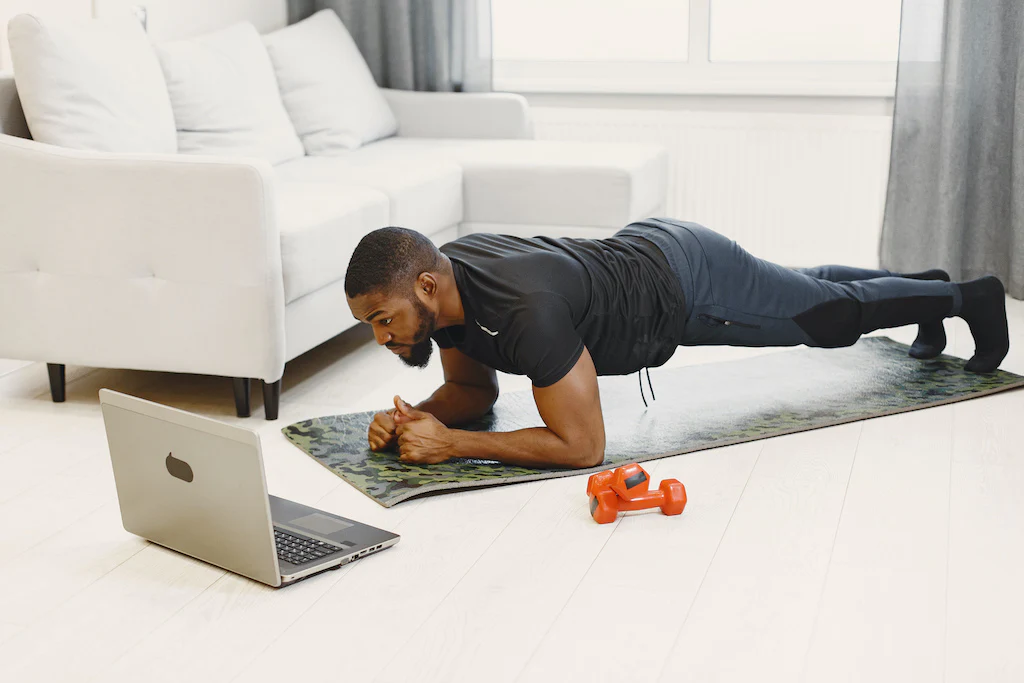
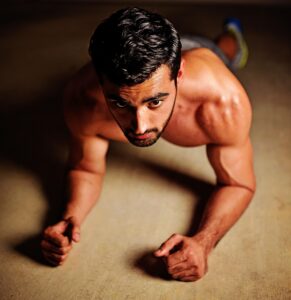
- Plank Hold: Hold for 30 to 45 seconds. Start on your knees if needed, making sure your hips do not sag or lift too high. A strong, stable plank is central to any beginner fitness routine.
- Bird Dog: Perform 10 repetitions on each side. Move slowly, focusing on preventing your torso from twisting or rocking.
Sample Weekly Schedule for the Beginner At-Home Fitness Routine
| Day | Focus | Activity | Notes |
| Monday | Strength Day 1 | Full Body Routine (3 Rounds) | Set the tone for the week with your at-home fitness routine. |
| Tuesday | Rest | Complete Rest or Gentle Stretching | Allow muscles to repair. |
| Wednesday | Strength Day 2 | Full Body Routine (3 Rounds) | Focus on improving form from Monday’s session. |
| Thursday | Active Recovery | 30 minutes of Brisk Walking | Low-impact cardio is a great addition to the best fitness routine for beginners at home. |
| Friday | Strength Day 3 | Full Body Routine (3 Rounds) | Use your stronger movements to push for better quality repetitions. |
| Saturday | Core & Cardio | 20 minutes of marching in place/Dead Bugs/Planks | Focus on stabilizing muscles. |
| Sunday | Rest | Complete Rest | Prepare mentally and physically for the next week. |
Progression: Advancing Your Beginner Fitness Routine
Do not perform the same exact routine for the entire four weeks. Once you can comfortably complete all sets and repetitions with perfect form, it is time to progress:
- Increase Time Under Tension: Slow down the lowering phase of your squats and lunges to four seconds.
- Increase Repetitions/Sets: Add one extra set, or increase the repetitions by two for each exercise.
- Reduce Modifications: Move from the wall push-up to the incline push-up, and from the incline push-up to the knee push-up. This keeps your fitness routine for beginners at home challenging.
Incorporating Low-Impact Cardio into Your At-Home Fitness Routine
While strength training is crucial, cardiovascular health cannot be ignored. The best fitness routine for beginners at home includes low-impact options that are easy on the joints.
Safe Cardio Options for the Fitness Routine for Beginners at Home
You do not need to run to improve your cardiovascular fitness. Simple, consistent movement works best.
- Brisk Walking: This remains one of the most effective and safe forms of cardio. Aim for 30 minutes on your active recovery day.
- Marching in Place: A simple yet effective way to get your heart rate up without leaving your workout zone. Add high knees or butt kicks for variation.
- Stair Climbing: If you have stairs, walk up and down them for 10 to 15 minutes. This is a powerful leg and cardio workout that fits perfectly within an at-home fitness routine.
- Simple Jumping Jacks (Modified): Instead of jumping, step out one foot at a time while raising your arms.
The Importance of Rest and Sleep for Muscle Recovery
Many beginners overlook the recovery phase, viewing it as non-essential. Rest is where your muscles repair, adapt, and grow stronger.
Why Rest Days are Vital in the Best Fitness Routine for Beginners at Home
- Muscle Repair: Exercise creates tiny tears in muscle fibers. Rest allows the body to repair these tears, leading to stronger muscles.
- Energy Restoration: Rest replenishes glycogen stores, which are your body’s main energy source for working out.
- Injury Prevention: Overtraining is a major cause of injury. Rest days help prevent chronic fatigue and overuse injuries, keeping your beginner fitness routine on track.
Common Challenges and Solutions for Beginners at Home
Maintaining motivation is one of the hardest parts of any long-term physical activity plan. Knowing how to handle common beginner obstacles will support your at-home fitness routine.
Dealing with Soreness and Avoiding Injury
Delayed Onset Muscle Soreness (DOMS) is normal, especially in the first two weeks.
- Movement is Medicine: Do not remain completely sedentary on rest days. Light movement, like walking or gentle stretching, helps relieve soreness faster than sitting still.
- Hydration: Water flushes out metabolic waste, which can contribute to muscle soreness. Drink water consistently throughout the day.
- Heat/Cold: A warm bath or heating pad can help soothe tired muscles after your fitness routine for beginners at home.
Staying Consistent: Making the Fitness Routine for Beginners at Home a Habit
The four-week mark is often where people quit. Here are strategies to ensure you stick with the plan.
- Time Blocking: Schedule your workouts just like any important appointment. Put the at-home fitness routine in your calendar and treat it as non-negotiable.
- Find an Accountability Partner: Find a friend or family member to text after your workout. Knowing someone is checking in can provide the extra push needed on a low-motivation day.
- Focus on the Feeling: Pay attention to how energized and focused you feel after your session, rather than just focusing on the effort required beforehand.
Nutritional Support for Your At-Home Fitness Routine
You cannot out-train poor eating habits. Fueling your body correctly supports the strength you are trying to build.
- Protein for Repair: Ensure you consume adequate protein (lean meats, beans, eggs, yogurt) to help your muscles recover from your beginner fitness routine.
- Complex Carbohydrates for Energy: Eat foods like oats, whole grains, and vegetables to provide sustained energy for your workouts.
Questions About the Best Fitness Routine for Beginners at Home
What is the ideal frequency for a fitness routine for beginners at home?
The ideal frequency is 3 to 4 times per week, with adequate rest between sessions. Starting with this amount of consistency is part of the best fitness routine for beginners at home because it prevents burnout while giving the body time to adapt.
Do I need weights for the best fitness routine for beginners at home?
No, you do not need weights. The best fitness routine for beginners at home relies entirely on bodyweight movements, which provide sufficient resistance to build a strong foundation of strength and endurance during the initial four weeks.
How long should I spend on warming up and cooling down in my beginner fitness routine?
You should dedicate 5 minutes to a dynamic warm-up before your workout and 5 minutes to a static cool-down stretch after your workout. These 10 minutes are critical for safety and recovery in your at-home fitness routine.
When should I expect to see results from my at-home fitness routine?
Initial results often involve improved energy, better sleep, and easier movement, usually noticeable within 2 to 3 weeks. Visible physical changes, like muscle definition, typically take 4 to 8 weeks of consistent effort with your fitness routine for beginners at home.
Is walking considered enough cardio for a fitness routine for beginners at home?
Yes, brisk walking is an excellent form of low-impact cardio, especially for a beginner. It improves heart health without stressing the joints, making it a safe and essential part of the best fitness routine for beginners at home.
The best fitness routine for beginners at home is not a search for some secret, complicated program. It is simply the commitment to a few fundamental movements performed consistently. By following this structured 4-week plan, prioritizing form, and giving your body the rest it needs, you will build a sustainable habit that will serve your health for years to come. Start today, and focus only on completing the next workout.
{ "@context": "https://schema.org", "@type": "BlogPosting", "mainEntityOfPage": { "@type": "WebPage", "@id": "https://dailyfitnessguide.com/best-fitness-routine-for-beginners-at-home/" }, "headline": "The Best Fitness Routine for Beginners at Home: Your 4-Week Plan", "image": "https://dailyfitnessguide.com/wp-content/uploads/2025/12/3318170-300x171.webp", "author": { "@type": "Organization", "name": "dailyfitnessguide", "url": "https://dailyfitnessguide.com/" }, "publisher": { "@type": "Organization", "name": "dailyfitnessguide", "logo": { "@type": "ImageObject", "url": "https://dailyfitnessguide.com/wp-content/uploads/2025/03/2.png" } }, "datePublished": "" }